

















1st World Conference of Animals for fiber Production
Submission deadline: August 14, 2026
The 1st World Conference on Animal Fiber Production is postponed to 2027.
Dear Colleagues, Participants, and Partners,
We regret to inform you that, due to unforeseen organizational and logistical difficulties recently encountered in China, the 1st World Conference on Animal Fiber Production cannot take place as scheduled.
The organizing committee has made the difficult but necessary decision to postpone the event to Spring 2027.
We deeply apologize for any inconvenience this sudden change of plans may cause to our speakers, delegates, and sponsors. This conference represents a milestone for our community, and we are fully committed to delivering an outstanding event under the best possible conditions.
Key Information for Participants:
A formal update with the exact dates in 2027 and further instructions will be published here and communicated via email as soon as possible.
Thank you for your immense support, patience, and understanding.
The Organizing Secretariat
The 1st World Conference of Animals for fiber Production will be held in 2027, in Chifeng, Inner Mongolia, P.R. of China.
It will be organized under the patronage of the World Association of Animal Production (WAAP), the Chifeng Dongrong Cashmere Development (Group) Co., Ltd, the Northwest A&F University and the Italian University of Camerino (UNICAM).
The Conference is the first significant forum for the exchange of information and discussion of fine fiber producing animals. The Conference will cover a broad range of topics related to the breeding and production of wool sheep, Cashmere and Angora goats, Camels and South American Camelids, Angora rabbit and all other animals for fiber in the World. The invitation to participants interested in all fibre producing animals is expected to stimulate the exchange of knowledge and thus enabling their expertise to be implemented on a more general scale.
organized by
Wool production
Cashmere production
Mohair and Angora production
Camels and Camelids production
Silk and other other fibres of animal origin (Yak, musk…)
A special Challenged Session is scheduled for the discussion about the future of animal for fiber in research, economy and technology.




Wanda Real Chifeng Hotel
No. 12 Xilamulun Street, Hongshan District, 024000 Chifeng, China
As the first five-star hotel in Chifeng, Wanda Realm Chifeng welcomes guests to the jewel of Inner Mongolia with elegant accommodations, exceptional dining, world-class facilities, and the renowned hospitality of the Wanda Realm brand. Whether you are traveling for business or leisure, our dedicated team is committed to ensuring a comfortable and memorable stay. Ideally located for exploring the sights and attractions of Chifeng, the hotel offers both convenience and luxury. Wanda Realm Chifeng is situated just 5 km from Chifeng South Railway Station and 14 km from Chifeng Yulong Airport, making it an excellent choice for travellers seeking easy access to the city and surrounding region.
The easiest way to get Chifeng city from Beijing (Peking) is by train.
Many high-speed trains depart directly from Beijing Chaoyang Railway Station and arrive in Chifeng city. The trip takes around 3 hours, 3 hours and half by high-speed train.
Chifeng can also be reached by a connecting flight from Shanghai Pudong International Airport (PVG).
If you need assistance with your transfer from Beijing Airport to Beijing Chaoyang Railway Station, please send your request to songdaowen@dongronggroup.com.
Suggested hotels where to stay during the conference.
Hotel where the conference will be held (recommended choice):
Wanda Real Chifeng Hotel
No. 12 Xilamulun Street, Hongshan District, 024000 Chifeng, China
Yulong State Hotel
No. 60 Yulong Street, Songshan District, 024000 Chifeng, China
Jiutian International Hotel
Songshan District, Chifeng, Xing’an St, P. C. 024040 Chifeng, China
Jindi Hotel
Tower C, Jindi Building, Yulong Street, Songshan District, 024005 Chifeng, China
To provide the best experiences, we use technologies such as cookies to store and/or access information on the device. Consent to these technologies will allow us to process data such as browsing behavior or unique IDs on this site. Not consenting or withdrawing consent may negatively affect some features and functions.
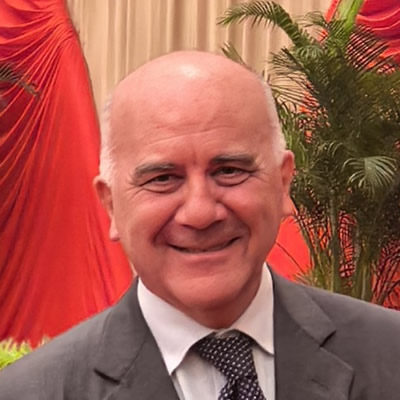
Research Director in Animal Production at ENEA (Italian National Agency for New Technologies, Energy and Sustainable Economic Development), Department of Sustainability, Division of Sustainable Agri-Food Systems, Laboratory of Regenerative Circular Bioeconomy.
President of Consortium Arianne (International Consortium for the Study of Natural Textile Fibres). Member of the EAAP (European Association of Animal Production) Animal Fibre Working Group and of the ICAR (International Committee for Animal Recording) Animal Fibre Working Group. Founder of the European Wool Association.
Author of approximately 80 scientific publications on animal fibre production systems and fibre production biology.
He has participated as coordinator or partner in the following research projects:
Introduction of Angora goats in Italy;
Support Programme to Improve Fine Fibre Production in South American Camelids in Argentina (EC DG I);
Effects of goat and sheep grazing, separately or in combination, on the ecology of indigenous pastures with diverse flora and on agricultural systems in less favoured areas (EC Concerted Action);
Research on the production of high-quality cashmere from goats and its potential for agricultural diversification (EC DG VI – AIR3-CT94-822);
Sustainable Production of Natural Resources and Management of Ecosystems (SUPREME): the potential of South American camelid breeding in the Andean Region (EC DG XII – INCO);
Demonstration project for the introduction of fine-fibre animals (Angora goats and alpacas) in marginal areas of the Umbria Region (EC DG VI – ARINCO 95 IT 06027);
Husbandry Systems and Sustainable Social and Environmental Quality in Less Favoured Areas (EQULFA) (EC Contract FAIR1);
Sustainable, market-oriented development of camelid products and services in the Andean Region (EC INCO-DEV).
From 2002 to 2009, he was responsible for two Italy–China Bilateral Technology Agreements, funded by the Italian Ministry of Foreign Affairs (MAE).
As President of Consortium Arianne, he has participated in several cooperation projects on domestic South American camelid fibre in Peru, Bolivia and Ecuador, as well as in other Italian development projects.
He has also been involved in research activities for the Cashmere Alashan Project, funded by Loro Piana S.p.A.
He participated as an expert in the preparation of the ISO document “Guidelines for Angora Rabbit Welfare Standards” and served as an FAO specialist, preparing a report on the development of the sheep and wool sector in Azerbaijan.
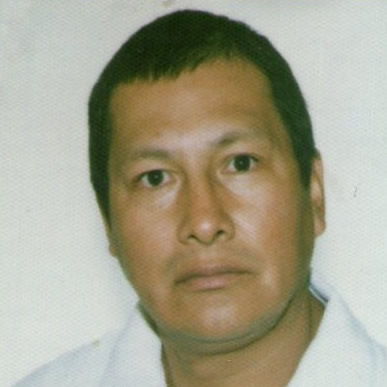
Celso Ayala Vargas, from La Paz – Bolivia, earned his Ph.D. from University of Camerino, Italy. Master of Science from University of Valencia, Spain. Bachelor’s degree in Veterinary Medicine and Zootechnics, Universidad National del Altiplano Puno-Perú. Full Professor in Genetics Improvement on the Universidad Mayor de San Andres Bolivia. Member of ALPA (Latin American Association of Animal Production), President of ABOPA (Bolivian Association of Animal Production 2025-2026). Focal Point of Bolivia to the FAO as National Coordinator on Animal Genetic Resources, REDARFIT Bolivia, Biodiversity International, CYTED IBEROEKA Innovation Projects. National Coordinator of the EU Project “Sustainable Production of Natural Resources and Management of Ecosystems (SUPREME): the Potential of South American Camelid Breeding in the Andean Region” 1997-2000. National Coordinator of the EU Project “Sustainable Development of Camelid Products and Services Market Oriented in Andean Region (DECAMA)”, 2002 – 2006. He has led and collaborated on numerous international research projects involving llamas and alpacas, particularly in highland production systems. Author of approximately 40 scientific publications on meat and fibre production in South American Camelids. He is one of the authors of the book “Meat of Lama”. He has developed and delivered training programs in South American Camelids, genetics improvement and animal production, students, technical advisors and enhancing smallholder livestock systems in Bolivia, Perú, Chile, Argentina and Italy.

Professor Wang Chunxin, female, researcher, PhD. Workplace: Jilin Academy of Agricultural Sciences (China Agricultural Science and Technology Northeast Innovation Center. Address: No. 1363, Ecological Street, Changchun City, Jilin Province)
Chief of the wool sheep breeding innovation research team of Jilin Academy of Agricultural Sciences, director of Jilin Province High-spinning Fine Wool Production Science and Technology Innovation Center. Top innovative talent in Jilin Province; “Economic and Technological Innovation Expert” in Jilin Province; “Longyuan Talent” in Gansu Province. Postgraduate tutor of Northwest A&F University, Northeast Agricultural University, Jilin Agricultural University, and Yanbian University. Editorial board member of “Journal of Livestock Ecology” and “Special Economic Animals and Plants”, and young editorial board member of “Animals and Zoonoses” and “Journal of Intelligent Agricultural Equipment (Chinese and English)”.
Executive director of the Livestock Ecology Branch of the Chinese Society of Animal Husbandry and Veterinary Medicine (2020-), director of the Sheep Breeding Branch (2013-), director of the Animal Reproduction Branch (2021-), director of the Environmental Health Branch (2016-), deputy secretary-general of the Sheep Branch of Jilin Animal Husbandry Association (2025-), director of Jilin Veterinary Association (2024-).
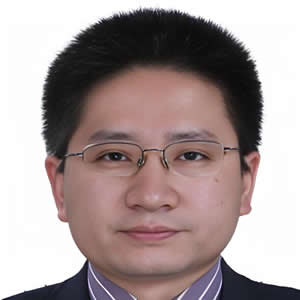
Professor Dai Fangyin, Southwest University, Chief Scientist of National Sericulture Industry Technology System.
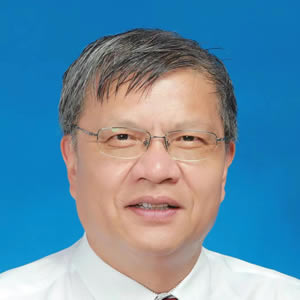
Professor Li Fuchang, Shandong Agricultural University, Expert of National Rabbit Industry Technology System

Hugh Galbraith (BSc Hons (Strathclyde); PhD (Aberdeen) is currently Professor Emeritus in the School of Biological Sciences, University of Aberdeen, Scotland. He is a member of the University’s General Council Business Committee. He previously held academic positions at the Department of Agriculture, University of Aberdeen and Scotland`s Rural College (SRUC).
His teaching and lecturing experience both locally and internationally, covers a range of subjects in farm animal science. These include production systems, animal feed technology, nutrition, physiology, endocrinology, integumental biology and welfare. He has wide research experience and has published extensively in regulation of hair fibre (wool production), animal growth, milk production and cell and molecular biology of lameness. Particular species of interest are sheep, goats, cattle and most recently, red deer. He is currently involved in research in systems for mitigating Greenhouse Gas Production in farm animals.
He has provided advice, consultancy and project assessment services to EC projects, to UK Research Council-funded projects and to universities as external examiner and in curriculum development. These are in addition to involvement with commercial companies and dairy and beef cattle, wool sheep, and red deer, farms and enterprises.
He is a member of the British Society of Animal Science and European Federation of Animal Sciences (EAAP), and its Animal Fibre working Group (AFWG): the latter involving a long association with the University of Camerino, Italy and other participating institutions. He has served as vice-chairman of the Scottish Accreditation Board for training courses in animal science in the UK.
Recreational interests include reading Italian detective fiction, listening to music, and following the fortunes of Manchester United.
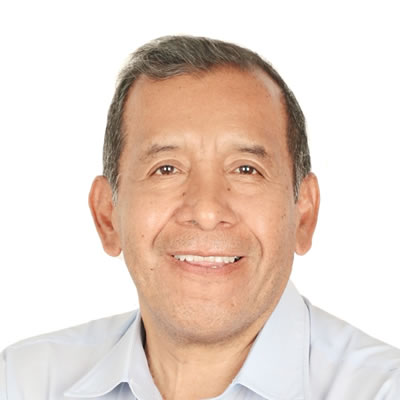
Dr. Gutierrez, originally from Lima, Peru, earned his Ph.D. in Animal Breeding and Genetics from Iowa State University in 2010. He holds both a Master of Science and a Bachelor’s degree in Animal Science from Universidad Nacional Agraria La Molina (UNALM), where he has served in various academic and leadership roles for over 30 years. In 2025, he joined Iowa State University as an Adjunct Associate Professor in the Animal Breeding and Genetics group of the Department of Animal Science.
His research interests focus on genetic improvement strategies for livestock in low-input systems, genomic evaluation tools, and the conservation of animal genetic resources. Dr.
Gutierrez has led and collaborated on numerous international research projects involving
alpacas, llamas, cattle, and guinea pigs, particularly in highland production systems across Latin America. His work has resulted in over 67 peer-reviewed publications, nine book chapters, and more than 80 conference presentations. He is one of the authors of the book “PACOMARCA. Alpacas: Genetics in Black and White”.
Gutierrez’s research team developed genomic tools for genetic improvement and inbreeding management in alpacas and llamas. They discovered about 4 million single-nucleotide polymorphisms in alpacas, leading to the creation of a 76K SNP array for genome-wide association studies, single-step GBLUP predictions, and analysis of runs of homozygosity.
In addition to his research, Dr. Gutierrez has developed and delivered training programs in
animal genetics and genomics for producers, students, and technical advisors in Peru, Bolivia, Ecuador, USA and Argentina. His outreach efforts emphasize building capacity for community-based breeding programs and enhancing smallholder livestock systems through science-based innovations.
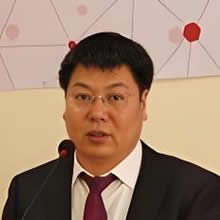
Professor Jirimutu, Inner Mongolia Agricultural University, President of Camel Branch of China Animal Husbandry Association, President of Inner Mongolia Camel Research Institute.
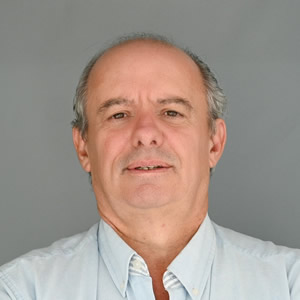
Fabio Montossi is an agronomist who graduated from the University of the Republic (Uruguay) in 1989 and obtained his PhD from Massey University, New Zealand, in 1996. He has also undertaken sabbatical stays at Colorado State University (USA) in 2012 and at Massey University (New Zealand) in 2023.
Since 1988, he has been actively involved in research and leadership roles at the National Institute for Agricultural Research (INIA) of Uruguay. Throughout his career, he has held key positions across strategic areas, including researcher in animal production, Head of the National Sheep and Goat Research Program, Director of the National Meat and Wool Research Program, and Research Manager. He also served as National Director of INIA (2015–2019), the institution’s highest competitive position. He is currently a Level I Researcher in Uruguay’s National System of Researchers (SNI, ANII).
Dr. Montossi’s research has focused extensively on beef and sheep production systems, particularly in the areas of animal nutrition and meat and wool quality. His broader interests include grazing systems, technology transfer and innovation, and research and innovation management.
He has extensive experience in the evaluation of R&D&I projects at both national and international levels and has delivered more than 400 presentations in Uruguay and over 150 internationally.
Dr. Montossi has authored more than 290 scientific publications and over 800 technical contributions, reflecting a strong commitment to both scientific excellence and knowledge dissemination. He has also played a significant role in human resource development, supervising and collaborating in undergraduate and postgraduate training programs in Uruguay and abroad.
In addition, he has broad experience as an international consultant for R&D&I institutions, governments, and development and innovation agencies, having worked in countries such as Argentina, Brazil, Bolivia, Paraguay, Chile, Peru, Ecuador, New Zealand, and Ireland.

DVM, PhD, School of Biosciences, University of Camerino, Italy.
Stefano Pallotti is a veterinarian and researcher with a PhD in Ecosystem and Biodiversity Management from the University of Camerino, Italy, where he completed his thesis on alpaca genetics. During his doctoral studies, he also undertook an internship at the NordGen Research Institute in Ås, Norway, where he contributed to a project focused on the conservation of small, local endangered chicken populations.
Currently, Dr. Pallotti is a postdoctoral fellow in Zootechnics and Genetic Improvement, with a focus on genomic research in fiber-producing animals, particularly alpacas and cashmere goats. His research centers on using Whole Genome Sequencing (WGS) to study population evolution and detect selection signatures in these species.
Dr. Pallotti has authored over 20 publications in peer-reviewed journals, including Nucleic Acids Research, Briefings in Bioinformatics, and BMC Genomics. Since 2019, he has been an active participant in a collaborative program between Italy and China, focusing on the genetic improvement of the Alashan White Cashmere Goat in Inner Mongolia, China.

Marco Pittarello is Assistant Professor at the Department of Veterinary Sciences, University of Turin, Italy. His research focuses on grassland ecology and sustainable management in lowland and alpine environments, with emphasis on grazing management, vegetation classification, forage quality, and ecosystem services. He integrates agronomy, applied botany, and animal science using field experiments, GIS and remote sensing, advanced statistical modelling, and development of decision support tools in R. His work supports grassland conservation, restoration, and biodiversity-friendly agro-pastoral systems. He earned his PhD in Agricultural, Forest and Food Sciences from the University of Turin in 2016, including a visiting period at New Mexico State University. He has authored over 60 scientific publications, participated in numerous national and international research projects, and teaches courses on grassland management, statistics, and R programming.

Dr James Preston is lecturer at the University of New England in the School of Environmental and Rural Science in Australia. James lectures in Sheep and Wool studies as part of a suite of units that support the development of future sheep and wool producers in Australia. Dr Preston research specialities focus on his deep understanding of fleece biology and agricultural practices that promote improved fibre quality, leading to improved wool processing outcomes. Other area of interest includes understanding fleece chemistry and wool follicle development to increase wool production and quality from the Australian Merino sheep. James has held previous roles with the NSW Department of Primary Industry specialising in sheep and wool genetics.
James is also a primary producer that runs a small seed stock business producing Merino rams for commercial wool growers in central Victoria Australia. As part of this business, james also runs a pregnancy scanning and sheep classing business where he scans 60,000 ewes a year. James is a past winner of the ABARES Science and Innovation Award in 2023.
Known for his positivity for the wool industry, James is active promoter of the superior attributes of wool and its functionality as a trans-seasonal fibre to clothe the world.
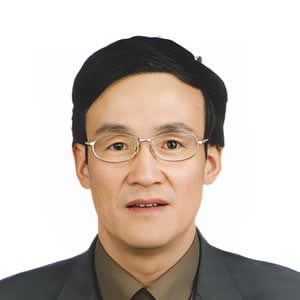
President Liu Shujie, President of Qinghai Academy of Animal Husbandry and Veterinary Medicine, internationally renowned yak research expert, and leader of the Natural Science and Engineering Technology Discipline of Qinghai Province

Prof Carina Visser is a Full Professor and Head of Department of the Department of Animal Science at the University of Pretoria. She specialises in animal breeding and genetics and focus on the genetic improvement of small-stock, mainly by applying molecular techniques. The genetic improvement of efficient, adaptable animals in Africa will become crucial for food security, and she aims to play a part in overcoming the challenges that will face the human population in terms of climate change.
Prof Visser is the President of the South African Society of Animal Science (SASAS) and a sub-editor of the South African Journal of Animal Science. She is also the Vice-President of the International Goat Association, and an associate editor of both Small Ruminant Research, and Tropical Animal Health and Production. She was awarded a bronze medal for an exceptional contribution to the advancement of professionalism and knowledge in animal science by SASAS.
She has authored and co-authored 68 peer-reviewed articles in accredited journals, contributed to several book chapters and have supervised / co-supervised numerous completed MSc and PhD studies. She is registered as a professional animal scientist with SACNASP and holds a C1 rating from the National Research Foundation.
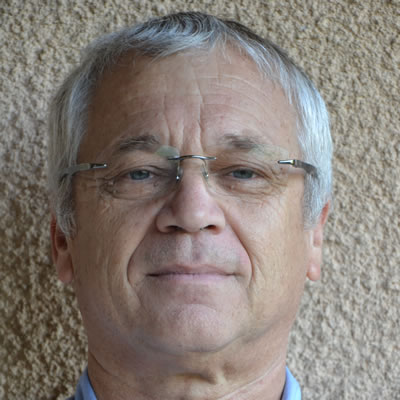
Daniel Allain, research biologist and geneticist with the GenPhySE (Genetics, Physiology and Beeding Systems) research unit at INRAe retired on October 31, 2017. I have 42 years experience in the fields of biology of fibre growth and animals producing fibre and fur, especially in rabbit, goat, sheep and mink. I have been a biologist of fibre growth, seasonal functions and photoperiodism at the INRA Animal Physiology Division (Jouy en Josas, France) from 1975 to 1989, then as a quantitative geneticist at the INRA Animal genetics division (Toulouse, France) from 1989 to 2017.
My research focused mainly on:
• genetic improvement of animals producing fibre and fur, especially angora goats, angora rabbits and castor rex rabbits: genetic variability of coat composition, coat structure, coat colour, metrology of fibre and fur quality characteristics involving imaging analysis techniques in collaboration with Specialized Textile Institute;
• biological and physiological mechanisms involved in fibre growth: role of the photoperiodism and neuroendocrine hormones on moulting periods and seasonal functions including reproduction, variation in structure and composition of the coat of mammals, expression of genes modifying coat composition and coat structure, genome analysis for QTL detection.
This research has resulted in over 250 publications of which over 50 refereed journal articles as senior or sole author with many participation to international congress; reviewer referee in over 30 journal articles and international congress; participation and/or organization in over 10 scientific committee of national and international congress.
Moreover, I was in charge of the National programme of genetic improvement for Angora goats, Angora and rex rabbits in France. He was involved as group leader of EU Concerted Action, Thematic Networks and EU Network of Excellence. I also developed international cooperation with Argentina and South Africa on Angora goat, and with China on cashmere goat and Angora rabbit. I am a former president (2014 to 2017) and still a member of the EAAP Animal Fibre Working Group (from 2008).

Studies of agricultural sciences at the University of Bonn, Germany. Doctorate and habilitation with a focus on small farm animals. Since 1993, professor of ecology of livestock production at Göttingen University, Germany, retired in 2020. Research focuses including a broad range of farm animals (poultry, sheep, goats, cattle, pigs, horses): genetics of behaviour, ethology and animal welfare, adaptation of farm animals to their environment, promotion of domestic South American camelids (SAC) in their countries of origin. Several research projects on SAC in Andean countries. Organiser and co-organiser of the ‘European Symposium on South American Camelids and other fine fibre animals’.

PhD in Veterinary Medicine and Graduate in Computer Engineering. Joined the University in 1987 as a University Teaching Assistant, then Interim Professor in 1992, Professor in 1994 and Full Professor in 2017. University Specialist in Animal Breeding from the Complutense University of Madrid in 1989. Since reading becoming PhD in 1991, with special honours, he has divided his time between research, teaching, development cooperation and transfer to the sector. He has taught (seven five-year periods, the last in 2022) various core subjects at bachelor’s, master’s and doctoral level at four Spanish universities and four foreign universities, mainly at the Complutense University of Madrid in the Faculty of Veterinary in Animal Breeding, Specialized Genetics, Animal Husbandry, and in postgraduate master’s degrees, having been coordinator or director of the master’s degree in Animal Production and Health in its first four editions. With an H index of 36, author of 142 scientific publications and 245 communications and 28 papers at national and international scientific conferences. He has participated in 29 projects funded through competitive calls for proposals, serving as principal investigator for 11 of them, and has been responsible for 24 research contracts and participated in another 31. He is an evaluator of projects for national and international organisations. Being the author of the widely used software Endog used to manage pedigree information, he has participated in the editorial work of four JCR journals and he is currently recognized by the Stanford University as belonging to the best international 2% top researchers in his scope. Concerning animal fiber, alpaca breeding is one of his three research lines, having been the genetics advisor of the pacomarca experimental farm belonging to Inca Tops in Peru. Under this specific scope he is currently the vice-president of the Animal Fiber Working Group having been the president during the last six years, has participated as key lecturer in several international meetings, and he is one of the authors of the book “PACOMARCA. Alpacas: Genetics in Black and White”

Valerio Napolioni, PhD, is a tenured Associate Professor of Molecular Biology at the School of Biosciences and Veterinary Medicine, University of Camerino (Italy). He received his PhD in Genetics from the University of Camerino and completed advanced postdoctoral and faculty training in molecular genetics, genomics, and epidemiology, including several years at Stanford University School of Medicine.
Dr. Napolioni is an expert in animal and comparative genomics, with a strong focus on applying high-throughput genomic technologies to the study of complex traits in animal models and livestock species. His research integrates population genomics, functional genomics, and bioinformatics to investigate the genetic architecture of phenotypic variation, adaptation, aging, and disease susceptibility across species. A key aspect of his work lies in the use of animal models to dissect conserved and species-specific genomic mechanisms underlying longevity, neurodegeneration, metabolic traits, and resilience to environmental stressors.
His expertise includes genome-wide association studies (GWAS), whole-genome and whole-exome sequencing, transcriptomics, and multi-omics data integration in both animal and human systems, with particular emphasis on translational approaches that bridge animal genomics and biomedical research. He has extensive experience in the analysis of large-scale genomic datasets, ancestry-aware and sex-specific genetic analyses, and the identification of functional variants relevant to animal health, breeding strategies, and comparative biology.
Dr. Napolioni has authored more than 120 peer-reviewed publications in leading international journals and actively collaborates with international consortia spanning animal genomics, veterinary sciences, and human genetics. He serves as a scientific advisor to academic, clinical, and biotechnology institutions and is deeply involved in graduate and doctoral teaching, where he trains students and early-career researchers in animal genomics, statistical genetics, and computational biology. His work contributes to advancing precision breeding, animal health, and the understanding of evolutionary and translational genomic mechanisms across species.
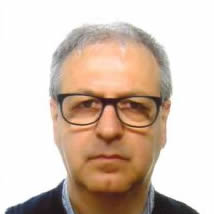
Full Professor on Genetics and Genetics Improvement in the University of Camerino, Italy. Member of EAAP (European Association of Animal Production) Animal Fibre Working Group. Director of the UNICAM International Master on Genetics and Genetic Improvement of alpaca and llama. Member of the following UE project ” Improvement of fine fibre production of argentianian South American Camelids”, 1993-1994; “Sustainable Production of Natural Resources and Management of Ecosystems (SUPREME): the Potential of South American Camelid Breeding in the Andean Region” 1997-2000; “Pastores andinos: tejedores de espacio economic y de la integracion alimentaria alto-andina”, 2015-2017. Coordinator of the Alpaca Research Foundation (ARF) project “Segregation analisys and molecular characterization of black and brown phenotypes in alpaca”, 2009-2011. International Coordinator of the EU Project “Sustainable Development of Camelid Products and Services Market Oriented in Andean Region (DECAMA)”, 2002 – 2006. Coordinator of the LORO PIANA S.p.A. Projects “Alashan and Mongolia Cashmere Project”, 2009-2014, and Alashan Cashmere Project, 2014-2019; 2019-2024. Co – organiser of the 1st, 2nd, 3th, 4th , 5th , 6th European and 7th European Symposium of South American Camelids and Fibre animals (Bonn, 1993 ; Camerino, 1995, Gottingen, 1999, Gottingen, 2004, Sevilla, 2010, Nantes 2013, Assisi, 2017).

Sun Haizhou, male, a member of the Communist Party of China, Level-2 Researcher and PhD Supervisor. He is an expert enjoying the Special Government Allowance of the State Council and a Position Expert of the National Industrial Technology System for Cashmere and Wool Sheep. He serves as a director of several key laboratories under the Ministry of Agriculture and Rural Affairs and the Inner Mongolia Autonomous Region, and holds various academic committee posts and journal editorial positions including editor-in-chief and editorial board members. He has presided over more than 40 national and autonomous region-level projects and won many scientific and technological progress awards and harvest awards.

Dr. Maria Wurzinger is at the Department of Animal Science, Iowa State University. She received her Master’s in animal production and her PhD in animal breeding from BOKU-University in Austria. She has over 20 years of experience advancing smallholder livestock production across the Global South. Specializing in community-based breeding programs, she has helped transform this approach from a niche concept into an internationally recognized model, enhancing food security and livelihoods for farming families. She thrives in interdisciplinary teams and is dedicated to bridging the gap between social and natural sciences to help farmers enhance their livelihoods.

Cheng Xudong is Chairman of Chifeng Dongrong Cashmere Development Group Co., Ltd. and Chairman of Inner Mongolia Dongrong Agriculture and Animal Husbandry Technology Co., Ltd. He also serves as a director of CCMI.
With more than 40 years of deep cultivation in the cashmere industry, he has leveraged the advantages of the local green cashmere industry to coordinate the collaborative development of intensive cashmere processing and modern agriculture and animal husbandry. He focuses on technological innovation, industrial upgrading, and foreign economic and trade cooperation, leading the steady development of the enterprise and continuously expanding its industrial scale and industry influence.
He has actively promoted intelligent production transformation and the R&D of high-end cashmere products, facilitated the launch of the Hanshan White Cashmere Goat Breeding Program, and fully advanced the construction of the key 1.2 million-meter high-end cashmere fabric project. He has built a complete full industrial chain system covering:
cashmere goat breed conservation and breeding, ecological farming, raw cashmere purchasing and sorting, washing and carding, woolen and worsted spinning, knitted apparel, high-end fabrics, and the R&D and manufacturing of professional equipment.
The Group’s products sell well in many European countries, providing a strong impetus for the high-quality development of the regional cashmere industry.
Cheng Xudong has earned numerous personal honors, including:
• Outstanding Private Science and Technology Entrepreneur of China
• Model Worker of Inner Mongolia Autonomous Region and Chifeng City
• Outstanding Township Entrepreneur of Chifeng City
• Outstanding Builder of Socialism with Chinese Characteristics
• Advanced Individual in Sichuan Earthquake Relief
• Advanced Individual in Investment Promotion of Hongshan District
• Outstanding Party Branch Secretary
• Top Ten Economic Figures Touching Chifeng
• National Meritorious Artisan in the Cashmere Industry (25 Years)
• 50 Most Influential Business Leaders in Inner Mongolia Economy
• Leading Figure in the Cashmere Industry (40 Years of Reform and Opening-up)
Under his leadership, the Group’s comprehensive strength and brand reputation have continued to rise. It has been awarded national-level qualifications including:
• National Key Leading Enterprise in Agricultural Industrialization
• National Base for Foreign Trade Transformation and Upgrading of Cashmere Products
• National Intelligent Manufacturing Demonstration Factory
• National Industrial Tourism Demonstration Enterprise
It has also won provincial-level honors such as:
• Chairman Quality Award of Inner Mongolia Autonomous Region
• Outstanding Private Enterprise of Inner Mongolia Autonomous Region
• Single Champion in Manufacturing Industry of Inner Mongolia Autonomous Region
In addition, it has been awarded honors including National Civilized Unit and National Model Worker’s Home.

Frank Dunshea’s research has an impressive breadth and quality, and he has published over 1200 journal, conference, book, or technical articles. His research has had a broad scientific and industrial impact, and his high citation index over a range of publications is a clear and overwhelming indication of the breadth of his activities, scientific impact, and international stature. Dunshea’s work has received over 30,000 citations and he has an index of 91. Dunshea is a Fellow of the Nutrition Society of Australia, the Australian Society for Animal Sciences, the Australasian Pig Science Association and the International Union of Nutritional Sciences in recognition of his contribution to nutritional and animal sciences. Dunshea is a former chair of the Australian Academy of Science Nutrition Committee. Dunshea has received many awards for his research in animal science, including the American Society of Animal Science (ASAS) award for Growth and Development (2009), Non-Ruminant Nutrition (2013), Meat Science (2017) and Ruminant Nutrition (2022), as well as the Asian-Australasian Association for Animal Production Woogene award for animal biotechnology and green technology (2022), the FASS-AFIA New Frontiers in Animal Nutrition award (2023), and the World Association for Animal Production (WAAP) lifetime research award (2023). Dunshea is also the current President of WAAP (2023-2028).
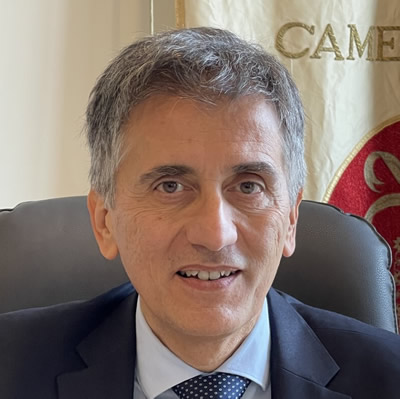
Graziano Leoni is Rector of the University of Camerino since November 1, 2023. He achieved the Five-year degree in Civil Engineering (110/110 with honours) at University of Ancona (Italy) in 1992 and the Doctoral degree in Structural Mechanics at University of Bologna (Italy) in 1996.
Since 2006, he has held institutional roles at the University of Camerino, where he was: Deputy Director of the Department of Environmental Design and Construction; Pro-Rector with responsibility for “evaluation, planning, and quality”; Deputy Pro-Rector with responsibility for post-earthquake reconstruction.
His scientific activity covers a broad range of topics in structural and seismic engineering. He is author of over 260 scientific articles in international journals and in the proceedings of international and national conferences. He is co-inventor of two patents for life-saving furniture in case of extreme seismic events.
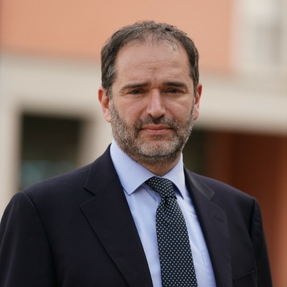
Secretary-General for both the European Federation of Animal Science (EAAP) and the World Association for Animal Production (WAAP).
Andrea holds degrees in Animal Sciences from the University of Perugia (Italy) and advanced qualifications, including an M.Sc. and Ph.D. in Animal Genetics from the University of Nebraska (USA). He began his career at the Italian Association of Animal Breeders, later becoming National Technical Manager. He also led the International Committee for Animal Recording (ICAR) for 11 years. Andrea has coordinated two EU-funded research projects and contributed to over 20 others. He co-founded four animal science journals and has lectured in over 40 countries. He is also author of numerous research articles and dissemination pieces, in addition to writing book chapters centered on animal science. His work spans animal production, genetics, and sustainability, with a strong focus on global collaboration.

EAAP EU project manager
After an MA in European Studies earned in Belgium I attended a traineeship at the Council of the European Union. I have worked for international governmental bodies and private sector gaining professional experience in project management field, in particular regarding events organization, dissemination and administrative activities. In EAAP, I work for the EU project Unit, which has been involved in 14 EU projects, mainly in charge of the project communication and dissemination activities, I manage the organisation of EAAP workshops and, finally, I am responsible for the EAAP newsletter.
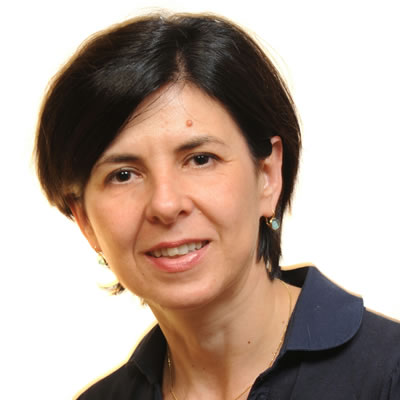
Master’s Degree in Cultural Anthropology, Ethnography and Ethnolinguistic at Ca’ Foscari University, Venice, Italy (2023). Master’s Degree in Oriental Languages and Literature, Chinese, at Ca’ Foscari University, Venice Italy (1992). Annual stage at Beijing Language and Culture University, Beijing, China (1991).
Purchasing Raw material Manager at Filati Biagioli Modesto, Montale (Pistoia), Italy. Sourcing and purchasing high-quality natural fibers, particularly Chinese and Mongolian cashmere (2022- until now). Worldwide Textile Raw material Responsable at Loro Piana, Quarona (Vercelli), Italy (2013-2022). Chief Representative at Loro Piana Beijing Representative Office, Beijing, China (2002-2013). Sourcing and purchasing cashmere. Textile Quality Control Manager, at Monifil, Wuxi, Jiangsu province, China (2000-2001).